
Is Turkey Safe to Travel for Dental Tourism?
If you are considering treatment abroad, it is completely reasonable to ask: is Turkey safe for dental tourism? With millions of international patients traveling to Turkey for dental care every year, safety is a fair and important question to research before booking, and the honest answer involves looking at two separate things: general travel safety in the country, and the safety standards of the dental clinic itself.
This guide covers both sides of that question, using up-to-date government travel guidance alongside practical advice on how to evaluate a dental clinic’s safety and quality standards. For the most current official travel guidance, always check the U.S. Department of State travel advisory for Turkey before you book, and for general dental health guidance, you can review resources from the American Dental Association.
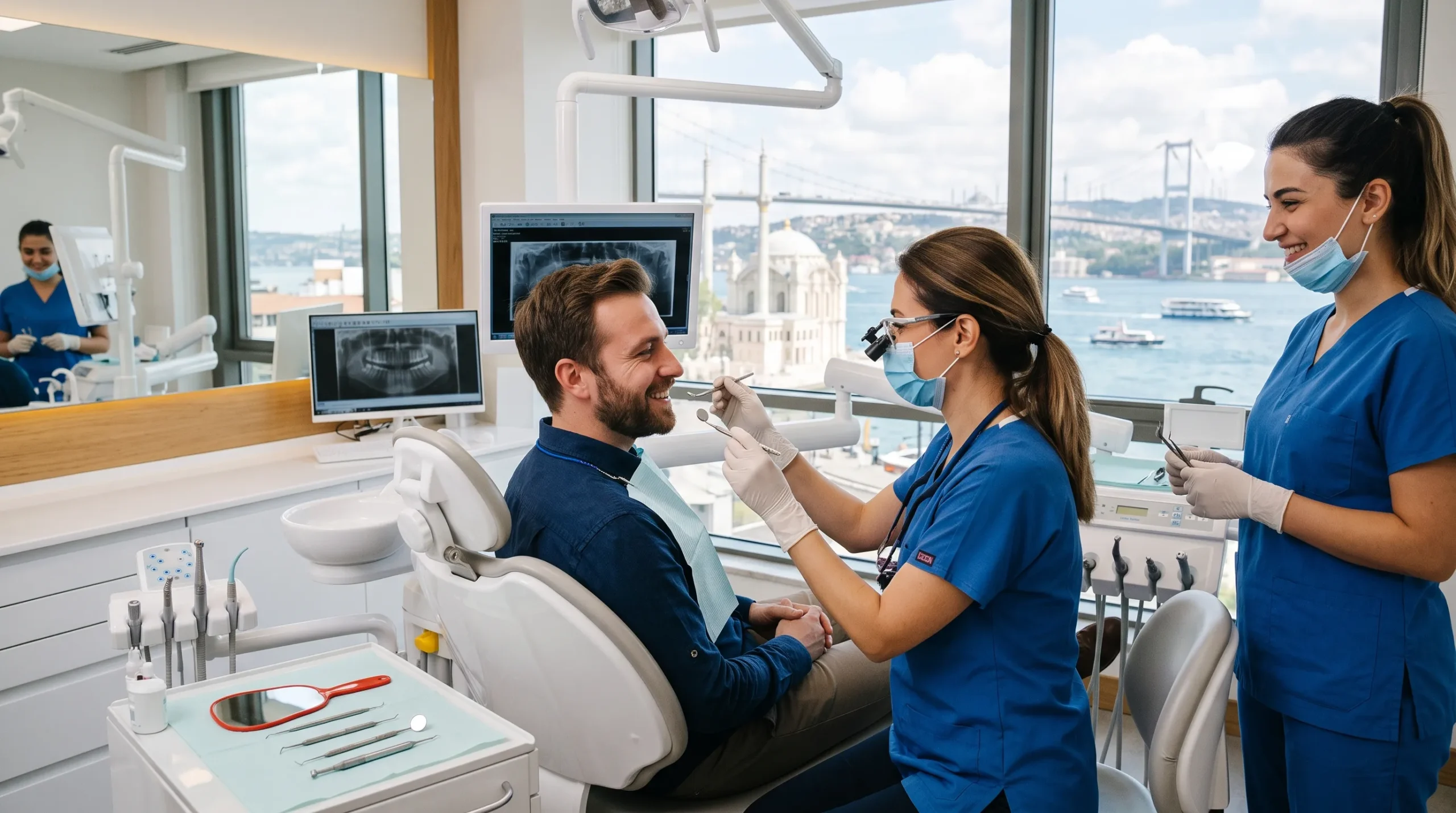
What Do Current Travel Advisories Say About Turkey?
As of mid-2026, the U.S. Department of State places Turkey at Level 2: Exercise Increased Caution, the same general caution level applied to many popular travel destinations worldwide. The advisory specifically highlights risks tied to terrorism, armed conflict, and arbitrary detention, with the more serious warnings concentrated in Turkey’s southeastern border provinces near Syria and Iraq, rather than in the country’s major cities or tourist areas.
Istanbul and Antalya, the two cities most commonly associated with dental tourism, are not part of the restricted southeastern region and continue to operate as major international travel hubs, with millions of tourists visiting each year. That said, travel advisories can change, so it is always worth checking the latest update from the State Department or your own country’s foreign travel guidance shortly before your trip.
General Safety Tips for Traveling to Turkey
- Register with your embassy’s travel program: Programs like the U.S. State Department’s STEP send safety alerts directly to registered travelers.
- Stick to well-established tourist and clinic areas: Major cities like Istanbul and Antalya have extensive tourism infrastructure and are used to hosting international visitors.
- Keep copies of important documents: Passports, travel insurance details, and clinic confirmation should be stored both physically and digitally.
- Purchase travel insurance: Look for a policy that covers medical travel, trip interruption, and emergency evacuation if relevant to your trip.
- Stay informed during your trip: Check local news and your embassy’s updates, especially if your travel dates coincide with any regional developments.
Is Dental Tourism in Turkey Regulated?
Dentistry in Turkey is a licensed profession regulated by the Turkish Ministry of Health, and dentists must complete accredited dental education and registration before practicing. Reputable clinics that serve international patients typically operate under additional quality and hygiene standards, often supported by internationally recognized sterilization protocols and imported materials from the same manufacturers used in the US, UK, and elsewhere.
As with any country, quality varies between individual providers, which is why clinic-level due diligence matters just as much as general country safety when planning dental treatment abroad.
How to Evaluate the Safety of a Specific Clinic
General country safety is only part of the picture. Before booking treatment, it is worth confirming the following about the clinic itself:
- Dentist credentials: Confirm the dentist’s qualifications, registration, and specific experience with the treatment you are considering.
- Sterilization and hygiene standards: Ask what sterilization protocols and equipment the clinic uses, and whether these meet internationally recognized standards.
- Materials and implant brands: Reputable clinics disclose the exact brands and materials used, allowing you to verify their quality independently.
- Facility accreditation: Look for any relevant national or international accreditation the clinic holds.
- Emergency and aftercare protocols: Confirm what happens if a complication arises during or after your treatment, both while you are still in the country and once you return home.
Our guide on how to evaluate patient reviews can also help you assess a clinic’s track record before booking.
Common Concerns Patients Raise About Dental Tourism
It is normal to have questions before committing to treatment abroad. Some of the most common concerns include:
- What if something goes wrong after I go home? Ask any clinic directly about their remote aftercare and correction policy before booking.
- Are the materials the same quality as at home? Reputable clinics use internationally recognized brands and can confirm this in writing.
- Is the language barrier a problem? Most clinics that specialize in international patients have English-speaking staff and dedicated patient coordinators.
- What if my flight or travel plans are disrupted? Travel insurance and flexible clinic scheduling can help manage this risk.
Weighing General Safety Against Clinic Safety
The most useful way to answer “is Turkey safe for dental tourism” is to separate the two questions it actually contains. On general travel safety, Turkey sits at the same moderate advisory level as many popular international destinations, with heightened risk concentrated in specific border regions far from the country’s main dental tourism hubs. On clinic safety, the responsibility shifts to your own research: verifying credentials, hygiene standards, and aftercare policies before you book, exactly as you would when choosing any healthcare provider.
Millions of patients travel to Istanbul and Antalya for dental treatment each year without incident, and doing your own due diligence on both fronts is the most reliable way to have a safe, successful experience.
How Valuedent Approaches Patient Safety
At Valuedent Clinic, patient safety is treated as a non-negotiable standard, not a marketing point. Our team is happy to answer direct questions about our dentists’ credentials, sterilization protocols, and materials before you book, and to support you with clear aftercare guidance once you return home. Learn more about our approach on our Hollywood Smile Istanbul with Valuedent page.
FAQ: Is Turkey Safe to Travel for Dental Tourism?
Is it safe to travel to Istanbul or Antalya for dental treatment?
Yes, generally. Both cities are major international tourism hubs and are not part of the higher-risk regions identified in current travel advisories, which are concentrated in Turkey’s southeastern border provinces.
What travel advisory level is Turkey currently under?
As of mid-2026, the U.S. State Department places Turkey at Level 2, “Exercise Increased Caution,” the same general level applied to many popular travel destinations. Always check the latest advisory before you travel, since conditions can change.
Is Turkish dentistry regulated?
Yes. Dentistry in Turkey is regulated by the Turkish Ministry of Health, and dentists must complete accredited training and registration before practicing.
How can I check if a specific clinic is safe?
Verify the dentist’s credentials, ask about sterilization protocols and materials used, review independent patient feedback, and confirm the clinic’s aftercare policy before booking.
What should I do if I have concerns after returning home?
Contact your clinic directly, as reputable providers offer remote aftercare support and guidance. Confirm this policy in writing before you travel so you know what to expect.
 Get Treatment Plan