
How to Protect Your Child’s Teeth and Prevent Cavities Early On
Tooth decay is one of the most common chronic conditions in early childhood, yet most of it is entirely preventable. The habits that protect a child’s teeth aren’t complicated, but they do need to start earlier than most parents expect, often before the first tooth has even fully come in. This guide walks through what actually causes cavities in young children, and the specific, practical steps that make the biggest difference at each stage.
Why Baby Teeth Deserve Serious Care
It’s a common assumption that baby teeth don’t matter much because they’ll eventually fall out anyway. In reality, they hold space for permanent teeth, guide proper jaw development, and support speech and chewing during some of the most important years of a child’s growth. A cavity left untreated in a baby tooth can lead to pain, infection, and even affect how the permanent tooth underneath develops. Protecting them early isn’t precautionary, it’s foundational to the rest of a child’s dental health.
What Actually Causes Cavities in Young Children
Cavities form when bacteria in the mouth feed on sugars left behind from food and drinks, producing acid that gradually wears away tooth enamel. In young children, this process is often sped up by frequent snacking, sugary drinks, and one habit in particular: falling asleep with a bottle of milk or juice, which bathes the teeth in sugar for hours at a stretch. Because a child’s enamel is thinner and less mineralized than an adult’s, decay can also progress faster once it starts, which is why early prevention carries more weight than early treatment.
When to Start: Before the First Tooth Arrives
Dental care starts earlier than most parents think. Even before teeth erupt, gently wiping an infant’s gums with a clean, damp cloth after feedings helps clear away bacteria and gets your child used to the sensation of oral care. Once the first tooth appears, usually around six months, it’s time to introduce a soft, infant-sized toothbrush. The American Academy of Pediatrics recommends scheduling a first dental visit by your child’s first birthday, well before most parents assume it’s necessary.
Building the Right Brushing Habits by Age
- 0-2 years: Brush twice daily with a smear of fluoride toothpaste no larger than a grain of rice, using a soft infant toothbrush.
- 3-5 years: Increase to a pea-sized amount of fluoride toothpaste, and supervise brushing closely since most children can’t brush effectively on their own yet.
- 6-8 years: Continue supervising brushing until your child can tie their own shoelaces reliably, a common benchmark for the fine motor skills brushing well requires.
- 9+ years: Introduce flossing as a daily habit if it hasn’t started already, and shift toward independent brushing with periodic check-ins.
Two minutes, twice a day, remains the standard to aim for at every age, along with flossing once the child has any two teeth that touch.
Diet Choices That Make the Biggest Difference
Frequency matters more than quantity when it comes to sugar and teeth. A child who eats one dessert after dinner does far less damage than one who sips a sugary drink throughout the afternoon, because every exposure resets the acid attack on enamel. Sticky foods like gummy snacks and dried fruit cling to teeth longer than most parents realize, and juice, even the unsweetened kind, carries more sugar than most people expect. Water between meals, and reserving sweet foods for mealtimes rather than constant grazing, are two of the simplest changes that meaningfully lower cavity risk.
Fluoride, Sealants, and Other Protective Tools
Fluoride strengthens enamel and helps it resist acid attacks, which is why fluoride toothpaste and, in many cases, fluoride varnish applied at dental visits, play such a large role in prevention. Dental sealants, thin protective coatings applied to the chewing surfaces of back molars, add another layer of defense in exactly the spot where most childhood cavities form, since those grooves are hardest for a toothbrush to fully clean. Both are quick, painless additions to a regular dental visit and are widely recommended once a child’s permanent molars come in.
Signs a Cavity May Already Be Forming
- White or chalky spots on the tooth surface, often an early sign of enamel demineralization before a visible cavity forms.
- Brown or black spots that don’t brush away, which usually indicate decay has already progressed.
- Sensitivity to sweet, hot, or cold foods, which can point to enamel that’s been weakened or a cavity reaching the inner tooth.
- Visible pain or reluctance to chew on one side of the mouth, a sign worth having checked promptly.
Catching any of these early usually means a simpler, less invasive fix, which is exactly why regular checkups matter even when nothing seems wrong.
How Often Should Kids See a Dentist?
| Age | Recommended Checkup Frequency |
| 1-3 years | Every 6 months, starting from the first tooth or first birthday |
| 4-6 years | Every 6 months, plus sealant evaluation as molars come in |
| 7-12 years | Every 6 months, with attention to orthodontic development |
| Higher cavity risk | Every 3-4 months, as advised by your dentist |
Making Dental Visits Feel Normal, Not Stressful
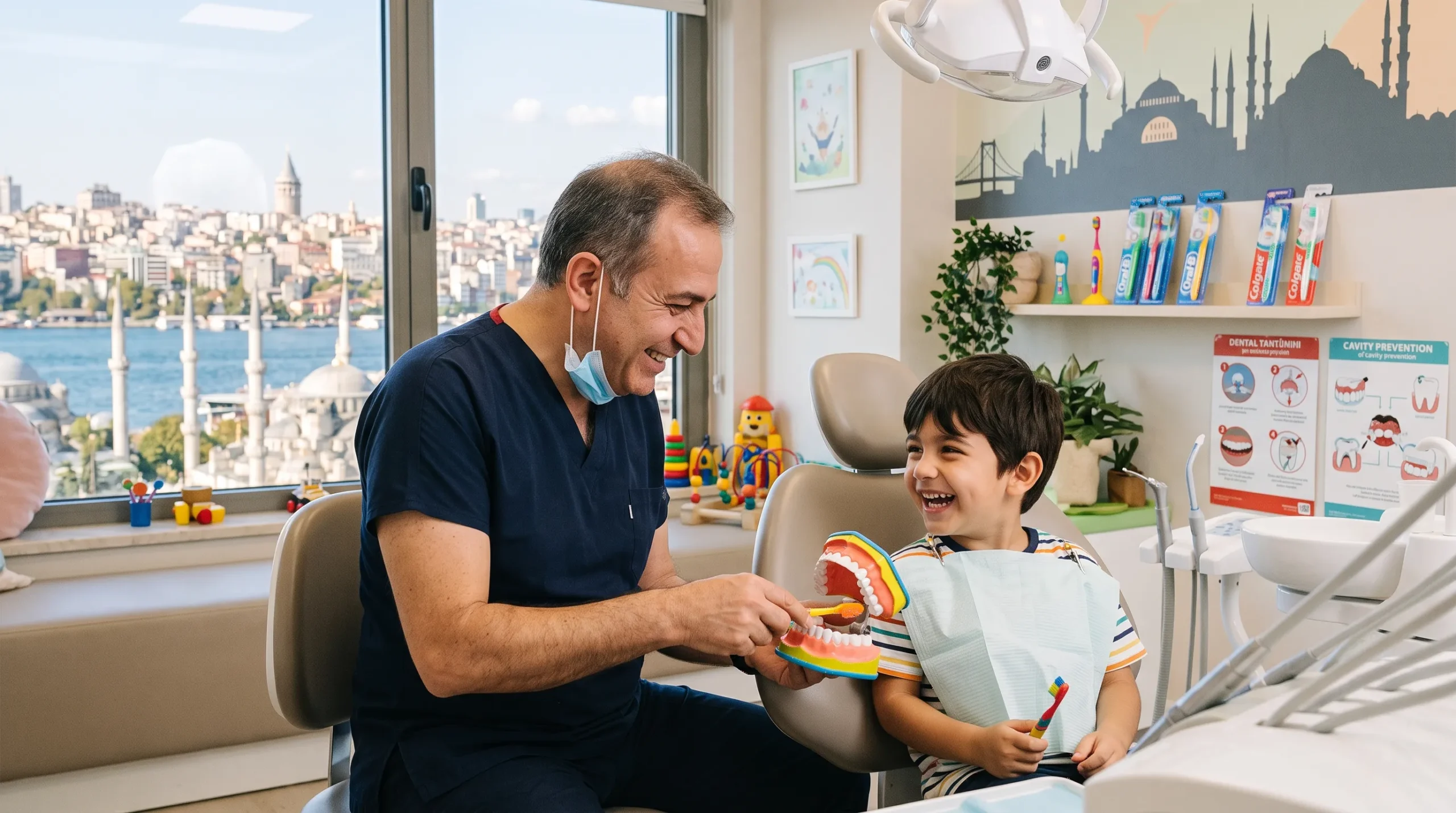
Starting checkups early does more than catch problems sooner, it also helps children build a relationship with dental visits before any fear has a chance to set in. Framing the visit as routine, rather than something to prepare a child to be brave for, tends to make a real difference in how they feel about dental care for years afterward. Choosing a clinic experienced with young patients, and comfortable explaining each step in simple terms, goes a long way toward keeping those early visits calm.
Book Your Child’s Consultation Today
Want a professional assessment of your child’s dental health? Book a consultation at Valuedent Clinic today, and our team will walk you through a simple, personalized prevention plan based on your child’s own teeth and habits.
FAQ: Protecting Your Child’s Teeth
At what age should my child first see a dentist?
By their first birthday, or within six months of their first tooth appearing, whichever comes first. Early visits are about prevention and getting your child comfortable, not treating problems.
Is fluoride toothpaste safe for young children?
Yes, in the correct amount for their age. A rice-grain smear for children under three and a pea-sized amount from age three onward provides protective benefits while keeping fluoride intake within safe limits.
Do baby teeth really need fillings if they’re going to fall out anyway?
Yes. Untreated decay in a baby tooth can cause pain and infection, and can also affect the development of the permanent tooth growing beneath it, so cavities in baby teeth are treated just as seriously as in adult teeth.
Are dental sealants worth it?
For most children, yes. Sealants protect the deep grooves in back molars where most childhood cavities start, and the application is quick, painless, and can meaningfully reduce cavity risk for years.
What’s the single biggest habit change that prevents cavities?
Reducing how often your child eats or drinks sugar throughout the day matters more than cutting it out completely. Limiting sweet foods and drinks to mealtimes, rather than constant snacking, is one of the most effective changes a family can make.
 Get Treatment Plan